
Table of Contents
Table of Contents
Understanding the Role of an IPTV Encoder
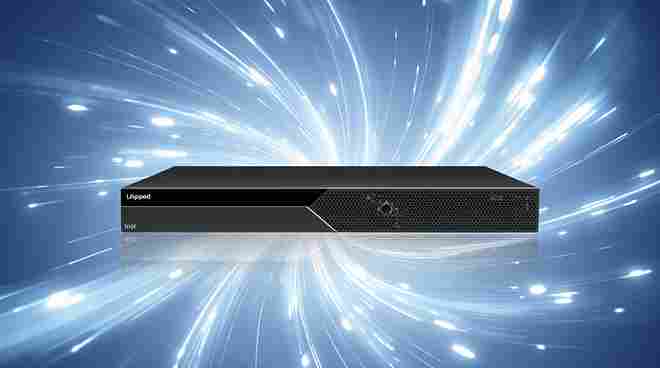
The digital revolution has fundamentally altered how we consume media, and at the core of this transition lies the iptv encoder. This sophisticated piece of technology is responsible for taking raw video signals from various sources—such as cameras, satellite feeds, or local storage—and converting them into a digital format suitable for transmission over IP networks. Without a high-quality iptv encoder, the seamless delivery of high-definition content to your devices would be technically impossible.
This device acts as the bridge between traditional broadcasting and the modern internet era, ensuring that data is compressed and packaged efficiently. By utilizing advanced algorithms, these encoders reduce the massive file sizes of raw video, allowing them to travel through limited bandwidth without losing significant visual fidelity or causing frustrating delays.
For anyone looking to build a robust streaming infrastructure, selecting the right hardware is paramount to success. A professional-grade iptv encoder ensures that the stream remains stable even during peak traffic periods, providing a foundation for a superior viewing experience. When you choose a provider like Apollo Group TV, you are benefiting from a backend that prioritizes these high-end encoding standards to deliver the best reliable and legal service available today.
Many users find that switching to a well-managed platform is a decision that can truly change your life by removing the stress of poor connectivity. Understanding the mechanics of these devices helps consumers appreciate the complexity behind every frame of video they see on their screens. It is not just about the content; it is about the sophisticated delivery mechanism that makes modern entertainment possible for everyone.
How an IPTV Encoder Transforms Traditional Media
The transformation process managed by an iptv encoder begins with the ingestion of a source signal, which could be an HDMI, SDI, or CVBS input. Once the signal is received, the encoder performs real-time processing to convert the analog or raw digital data into a streamable format like H.264 or the more modern H.265 (HEVC). This conversion is critical because it determines how much data is required to represent a second of video.
By optimizing this process, an iptv encoder allows broadcasters to offer live TV streaming to thousands of viewers simultaneously without crashing the network. The efficiency of this transformation directly impacts the latency, which is the delay between the actual event and the moment it appears on the viewer’s screen.
Modern encoders are designed to handle multiple inputs and produce various output resolutions to accommodate different devices. For instance, a single source might be encoded into 4K for smart TVs, 1080p for laptops, and 720p for mobile devices. This process, often referred to as multi-bitrate encoding, ensures that every user gets the best possible quality based on their current internet speed.
Using an iptv encoder with these capabilities is essential for maintaining a competitive edge in the crowded digital market. Furthermore, for those interested in specific niches, such as iptv for Arab channels, having a dedicated encoding setup ensures that regional broadcasts are preserved in high quality. The ability to transform media so dynamically is what makes IPTV the future of home entertainment systems worldwide.
The Technical Mechanisms of Video Compression
Video compression is perhaps the most impressive feat performed by an iptv encoder, involving complex mathematical models to remove redundant data. In any given video sequence, many pixels remain the same from one frame to the next; the encoder identifies these patterns and only transmits the changes. This spatial and temporal redundancy reduction is what allows a high-definition movie to be streamed over a standard home internet connection. The iptv encoder utilizes specialized chips or software libraries to execute these calculations in milliseconds, ensuring that the stream remains perfectly synchronized with the audio. Without this level of precision, viewers would experience frequent “ghosting” or digital artifacts that ruin the immersion of the viewing experience.
There are two primary types of compression: lossy and lossless. In the world of streaming, lossy compression is the standard because it offers the highest reduction in file size while maintaining a “visually lossless” appearance to the human eye. An iptv encoder must strike a delicate balance between file size and image clarity. To learn more about how data is handled safely during these transmissions, one can refer to Kaspersky’s resources on digital threats. Protecting the stream is just as important as compressing it. High-end services like Apollo Group TV use professional encoding workflows to ensure their iptv streaming service remains the top choice for enthusiasts who demand perfection and legality in their entertainment options.
Hardware vs. Software Encoders for IPTV
When deciding on the best way to process video, one must choose between a hardware-based iptv encoder and a software-based solution. Hardware encoders are dedicated devices built with specialized Integrated Circuits (ASICs) designed solely for video processing.
They are known for their extreme reliability, low power consumption, and ability to run 24/7 without overheating or crashing. This makes them the preferred choice for enterprise-level broadcasters and those running an unlimited live tv streaming app. On the other hand, software encoders run on general-purpose computers using the CPU or GPU to handle the heavy lifting. While they offer more flexibility and are often cheaper to implement initially, they can be prone to stability issues if the host system is not properly optimized.
The choice often comes down to the scale of the operation and the specific requirements of the content being delivered. For high-stakes events like live football streaming, hardware encoders are almost always used to ensure there is zero downtime. However, for smaller setups or experimental projects, software solutions provide an excellent entry point. Regardless of the choice, the iptv encoder remains the most vital component in the chain. It is important to research the best streaming devices to ensure your playback hardware can actually handle the high-bitrate streams produced by these professional encoders. Ultimately, a hardware encoder provides a “set it and forget it” reliability that is hard to match with consumer-grade computer hardware.
Key Features to Look for in a Professional IPTV Encoder
Selecting a professional iptv encoder requires a deep dive into specific technical features that separate entry-level units from industrial-grade equipment. One of the most important factors is the supported protocols; a versatile encoder should support RTMP, RTSP, SRT, and HLS. SRT (Secure Reliable Transport) is particularly valuable for modern streaming as it provides low latency and error correction over unpredictable networks. Additionally, a high-quality iptv encoder should offer a user-friendly web interface for remote management, allowing administrators to tweak settings without being physically present at the server rack. This flexibility is crucial for maintaining a 24/7 service that caters to a global audience with diverse needs.
Another critical feature is the number of channels the device can handle simultaneously. Multichannel encoders allow you to stream several different feeds from a single unit, saving space and power in a data center. High-density encoding is a hallmark of premium providers who offer an extensive channel lineup. Furthermore, look for encoders that include “Logo Overlay” and “Watermarking” capabilities, which are essential for branding and protecting intellectual property. By investing in an iptv encoder with robust features, you ensure that your infrastructure is future-proofed against evolving industry standards. This level of professional equipment is exactly what powers the best secret iptv service, providing users with a premium experience that feels like a significant upgrade from traditional cable.
Top Considerations for High-Quality Streaming
Achieving high-quality streaming is not just about the iptv encoder; it also involves the environment in which it operates. Network stability is the biggest hurdle for any streaming setup. Even the most expensive encoder cannot fix a stream if the upload bandwidth is inconsistent.
It is recommended to have a dedicated fiber optic connection to ensure that the encoded data reaches the Content Delivery Network (CDN) without jitter or packet loss. To understand the broader context of how Internet Protocol television functions, one should look at the infrastructure required to support millions of concurrent viewers. Quality also depends on the cooling and power backup systems for your encoding hardware, as a simple power flicker can take a stream offline for several minutes.
Moreover, the source quality is a “garbage in, garbage out” scenario. If the original video feed is noisy or low-resolution, even the most advanced iptv encoder will struggle to produce a clean output. Using high-quality HDMI cables and shielded SDI lines can prevent interference before the signal even reaches the encoder. For viewers, the result of this technical diligence is a crystal-clear picture that makes sports streaming feel like being in the stadium. Services like Apollo Group TV excel here by utilizing high-end ingest points. Their commitment to quality is why they are often cited as a top choice that can change your life, offering a legal and reliable alternative to outdated and expensive traditional media contracts.
Comparison of Popular Encoding Standards
The landscape of video encoding is constantly shifting as new standards emerge to provide better quality at lower bitrates. Currently, H.264 (AVC) remains the most widely compatible standard, supported by almost every device from old smartphones to the latest 8K TVs. However, H.265 (HEVC) is rapidly becoming the standard for 4K content because it is roughly 50% more efficient than its predecessor. Choosing an iptv encoder that supports both is essential for reaching the widest possible audience while still providing cutting-edge quality for those with modern hardware. The following table provides a quick reference for the most common encoding standards used in the industry today to help you understand the technical trade-offs involved in each.
| Feature | H.264 (AVC) | H.265 (HEVC) | AV1 |
| Compatibility | Universal | High (Modern Devices) | Growing (Browser/Mobile) |
| Efficiency | Standard | High (+50% better) | Ultra High (+30% over HEVC) |
| Processing Power | Low | Moderate/High | Very High |
| Best Use Case | General Streaming | 4K/HDR Content | Next-Gen Web Video |
| Licensing | Paid (MPEG-LA) | Paid (Multiple Pools) | Royalty-Free |
Understanding these standards helps in configuring your iptv encoder for the best performance. While AV1 is the future due to its royalty-free nature and incredible efficiency, the hardware requirements for real-time AV1 encoding are still quite high. Most professional setups currently rely on HEVC to deliver high-fidelity content for movies lovers who want the cinema experience at home. By keeping up with these standards, providers can ensure their iptv service stays ahead of the curve.
The Synergy Between Encoders and Premium IPTV Services
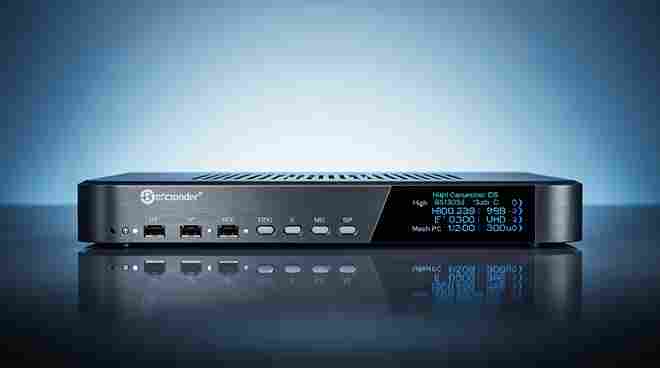
The relationship between a high-end iptv encoder and a premium service provider is symbiotic. A service like Apollo Group TV relies on a massive array of these encoders to process thousands of channels from around the globe. This technical backbone is what allows them to provide a legal and reliable service that outshines the competition. When a user logs in to watch all channels for cheap, they are accessing a stream that has been meticulously processed, compressed, and protected to ensure it reaches their device in pristine condition. This synergy is what makes modern IPTV so much more powerful than the cable systems of the past, offering more variety and higher quality at a fraction of the cost.
For the end-user, the complexity of the iptv encoder remains hidden, but its effects are felt every time a channel loads instantly or a live game plays without a single stutter. This reliability is why many are choosing to cancel cable and switch to IPTV today. It is a technological leap forward that prioritizes the viewer’s experience through smart engineering.
Whether you are interested in technical details or just want to enjoy your favorite shows, knowing that an expert-configured iptv encoder is working behind the scenes provides peace of mind. Choosing a top-tier provider ensures you are getting the benefit of this expertise every single day. The world of digital broadcasting is vast, but with the right tools and services, it becomes an accessible and life-changing resource for entertainment.
Advancing Your Setup with the Right IPTV Encoder
Transitioning into the more advanced aspects of digital broadcasting requires a deeper understanding of how the iptv encoder integrates with home and enterprise networks. For enthusiasts using Apollo Group TV for Smart TV, the encoding quality determines how well the image scales on large 4K displays. If an encoder uses poor bit-allocation strategies, large screens will reveal “blocking” artifacts in dark scenes. High-end hardware mitigates this by using sophisticated rate-control modes like Constrained Variable Bitrate (CVBR), which balances efficiency and quality. This level of technical detail is what makes a service reliable and legal, positioning it as a top choice that can change your life by providing consistent, high-fidelity access to global media.
For those looking to optimize their personal streaming, understanding the Apollo Group TV multi-device setup guide is essential. An iptv encoder that supports multiple streaming protocols allows for seamless transitions between a smartphone on a 5G network and a wired home theater system. This versatility is often overlooked but remains the backbone of modern convenience. When you utilize a professional iptv streaming service, you are essentially tapping into a massive cloud-based encoding farm designed to provide the lowest possible latency. This infrastructure ensures that your favorite content is delivered with the precision of a local broadcast but the flexibility of the internet.
Troubleshooting and Optimizing Encoder Performance
Even the most robust iptv encoder can encounter issues if the surrounding environment isn’t properly maintained. One common problem users face is buffering and freezing, which is often a result of a mismatch between the encoder’s output bitrate and the network’s actual capacity. To prevent this, professional encoders often employ “Adaptive Bitrate Streaming” (ABR). This technology creates several versions of the same stream at different quality levels, allowing the player to switch between them automatically. If you’ve ever wondered why Apollo Group TV is buffering, it is often due to local network congestion rather than the encoding source itself, which is handled by industrial-grade hardware.
Maintaining your hardware also involves keeping the firmware updated. Manufacturers of an iptv encoder frequently release patches to improve security and add support for new codecs. For more general information on how these devices stay connected, you can visit HowStuffWorks for a breakdown of internet protocols. Security is another major factor; an unencrypted encoder can be a target for digital threats. By using a secure and reputable service like Apollo Group TV, you ensure that your viewing habits and data remain private. This commitment to both performance and security is why these services are considered the gold standard in the 2026 digital landscape.
The Future of Encoding: AI and Cloud Integration
As we look toward the future, the iptv encoder is becoming increasingly “intelligent” through the integration of Artificial Intelligence. AI-driven encoding can analyze a video frame by frame and determine which parts of the image need the most detail, such as a player’s face in a sports match, while reducing the bitrate for static backgrounds. This results in even lower bandwidth usage without any perceived loss in quality. This technology is particularly beneficial for services offering unlimited movies and live TV, where the library size is massive. These advancements ensure that streaming remains accessible to those with slower internet connections while pushing the boundaries of what is possible for 8K enthusiasts.
Cloud-based encoding is another trend that is reshaping the industry. Instead of relying on a physical iptv encoder on-site, broadcasters can send a single high-quality feed to the cloud, where it is transcoded into hundreds of different formats. This scalability is what allows Apollo Group TV to provide such a massive channel list without significant downtime. For users who want to watch live TV without cable, this cloud infrastructure is the invisible engine making it happen. As AI continues to evolve, we can expect even more personalized streaming experiences, where the encoder adjusts settings based on the specific device and viewing environment of each individual subscriber.
Choosing the Best Infrastructure for Your Entertainment
When it comes to home entertainment, the “best” setup is one that you don’t have to think about. By choosing a provider that invests in the latest iptv encoder technology, you are choosing reliability. Many people find themselves asking which Apollo Group TV is legit, and the answer lies in the quality of the service provided. A legitimate, high-end provider will always offer a stable, high-bitrate stream that doesn’t rely on shaky, amateur-hour encoding. This is the difference between a frustrating evening of technical glitches and a seamless night of cinema-quality entertainment. It truly is a choice that can change your life by simplifying how you access information and leisure.
If you are a fan of high-octane events like UFC 309, the speed of the iptv encoder is your best friend. In the world of combat sports, every millisecond counts, and a slow encoder can lead to “spoilers” from social media before you’ve even seen the knockout. Using the right hardware ensures you stay in the moment. For more tips on the best hardware to pair with these services, CNET often reviews the latest receivers and smart TVs. Ultimately, the iptv encoder is a small but mighty part of a larger ecosystem designed to bring the world to your living room. By understanding its role, you can make informed decisions about your digital subscriptions and hardware investments.
Conclusion
The iptv encoder is undeniably the unsung hero of the digital age. From the complex mathematical algorithms that compress data to the robust hardware that keeps streams running 24/7, these devices are essential for the modern media landscape.
We have explored how they work, the difference between hardware and software solutions, and why they are critical for maintaining a high-quality iptv streaming service. By choosing a top-tier, reliable, and legal service like Apollo Group TV, you are ensuring that you have the best possible window into the world of entertainment. Whether you are a sports fan, a movie lover, or someone looking to cancel cable, the technology behind the encoder is what makes your transition to the future of television possible.
Frequently Asked Questions
What exactly does an IPTV encoder do? An iptv encoder takes a raw video signal and compresses it into a digital format (like H.264 or HEVC) that can be sent over the internet. It reduces the file size so that high-definition video can be streamed without needing massive amounts of bandwidth.
Is it better to use a hardware or software encoder? For professional, 24/7 broadcasting, a hardware iptv encoder is superior due to its reliability and dedicated processing power. Software encoders are more flexible and cost-effective for smaller projects but require a very powerful computer to run smoothly.
How does an encoder affect buffering? If an iptv encoder is set to a bitrate higher than what your internet can handle, you will experience buffering. Modern encoders use Adaptive Bitrate Streaming to adjust the quality on the fly, which helps prevent buffering issues for the end-user.
Can I use an IPTV encoder for 4K streaming? Yes, but you will need an iptv encoder that supports the H.265 (HEVC) or AV1 codec. These standards are much more efficient than older ones, allowing for 4K content to be streamed at manageable bitrates.
Is IPTV legal and safe to use? When you use a reputable and established service like Apollo Group TV, you are accessing a legal and reliable service. It is always important to use safe streaming practices and choose providers with a proven track record of quality and security.
What is the best protocol for an IPTV encoder to use? While RTMP is common for sending data to a server, SRT (Secure Reliable Transport) is becoming the industry favorite for the iptv encoder because it handles network jitter and packet loss much better, especially over long distances.
Do I need an encoder to watch IPTV at home? No, as a viewer, the encoding is handled by the service provider on their end. You only need a compatible device, such as a Firestick or Smart TV, and a subscription to a top choice service to enjoy the content.
How do I know if my service uses good encoders? You can usually tell by the stability and clarity of the picture. If the image is sharp, the motion is fluid, and there is very little delay during live events, your provider is likely using high-end, professional iptv encoder hardware.
5 Responses