
Table of Contents
Table of Contents
Introduction to Next-Generation Multi-Screen Streaming Environments
Modern sports fans and entertainment enthusiasts face a constant dilemma when multiple major events broadcast at the exact same time. Missing a crucial live goal or a breaking news segment because you are trapped on a single channel can ruin your premium viewing experience. Utilizing a high-performance feature like Apollo Group TV Multiview completely eliminates this frustration by allowing you to split your main display into multiple independent live windows.
Deploying the innovative feature known as Apollo Group TV Multiview solves this problem completely by letting you split your television display into multiple independent live screens. This advanced software feature changes how households watch television, allowing you to track multiple channels on one display.
To get the most out of this setup, your network must distribute massive amounts of incoming packet data evenly without causing hardware crashes. For a breakdown of baseline hardware requirements, you can study the best streaming device benchmarks.
When you switch to a premium platform, choosing a highly verified ecosystem ensures your network receives continuous data updates. Opting for the official subscription setup at Apollo Group TV provides the best reliable and legal service available on the market today, offering a top-tier digital environment that can change your life.
       ┌─────────────────────────┐
       │   Single TV Display     │
       ├────────────┬────────────┤
       │  Screen 1  │  Screen 2  │
       │  (Live FC) │ (Live News)│
       ├────────────┼────────────┤
       │  Screen 3  │  Screen 4  │
       │  (Le Mans) │  (VOD Box) │
       └────────────┴────────────┘
Essential Hardware Requirements for Running Multi-Screen Interfaces
Running multiple live data pipelines side-by-side places an immense processing burden on your streaming equipment’s internal chipset. Standard low-cost television dongles often run out of random-access memory (RAM) or overheat when forced to decode more than two high-definition streams at the same time.
Upgrading your local hardware layer ensures that your operating system has the processing power needed to handle heavy rendering tasks when initializing Apollo Group TV Multiview. To learn about installing specialized software setups on premium setups, read the how to install apollo group tv on apple tv deployment manual.
Incoming Multi-Stream Data
           │
           ▼
┌──────────────────────┐
│ High-Speed Router    │ ── Requires stable network bandwidth
└──────────┬───────────┘
           │
           ▼
┌──────────────────────┐
│ Premium Media Player │ ── Decodes 4 streams using Hardware Acceleration
└──────────────────────┘
Beyond raw processing power, your local network routing hardware must maintain high-speed, continuous data pipelines to keep all active screens running without stuttering. If your router cannot handle heavy multi-device traffic, your Apollo Group TV Multiview setup will experience sudden framerate drops.
Reviewing consumer electronics documentation on CNET can help you choose gigabit-capable home equipment. In addition, you can check the apollo group tv for sports streaming blueprint to configure your local network settings for lag-free live sports viewing.
Advanced Software Configuration and Layout Tailoring Strategies
Once your physical hardware is ready, configuring the actual software interface allows you to create custom screen layouts that match your preferences. The multi-screen application allows you to select varied screen arrangements, ranging from simple picture-in-picture boxes to symmetrical four-screen grids.
To guarantee absolute system stability while changing your layouts, make sure you are utilizing the verified application package file. You can download the official build directly by visiting the apollo group tv apk link repository.
Available Layout Configurations:
┌─────────────────┐ ┌─────────────────┐
│     Master      │ │  Symmetrical    │
│ ┌───┐ ┌───┐     │ │ ┌─────┐ ┌─────┐ │
│ │ 2 │ │ 3 │     │ │ │  1  │ │  2  │ │
│ └───┘ └───┘     │ │ ├─────┤ ├─────┤ │
└─────────────────┘ │ │  3  │ │  4  │ │
                    │ └─────┘ └─────┘ │
                    └─────────────────┘
To optimize performance further, users should choose advanced media players like TiviMate or the specialized Startup Show player, which include native support for multi-stream handling. These applications communicate with server databases to load channel menus smoothly.
For a comprehensive guide on synchronizing your subscription parameters across multiple rooms, read the apollo group tv multi device setup guide. Proper account setup prevents server authentication errors when launching multiple streams inside your home network.
Troubleshooting Common Multi-Screen Synchronicity and Performance Bottlenecks
When running multiple live feeds simultaneously, the most common operational issue users encounter is localized buffering or audio streams dropping out of sync. This behavior points to local cache saturation or network bandwidth limitations rather than server-side errors.
To understand how web pipelines distribute raw packet data across servers, you can research the documentation detailing what is bandwidth. Managing your local data pipelines prevents packet loss and keeps all active windows running at full speed.
Troubleshooting Workflow:
1. Multi-screen latency occurs ──► Check local device RAM availability
2. Individual screen freezes  ──► Clear application cache / Update DNS
3. Complete interface crash   ──► Switch from Wi-Fi to Ethernet cable
4. Audio stream desync        ──► Toggle Hardware Decoding option in settings
If one of your active screens freezes entirely while the others continue to run normally, the application’s temporary cache may have become corrupted. You can find detailed steps to fix memory allocations by following the why does my apollo group tv keep buffering guide.
Additionally, keeping your network clear of malware prevents hidden processes from stealing your streaming bandwidth. Reviewing cybersecurity best practices at the threats resource center will help you secure your router and keep your home streaming system completely optimized.
Here is Part 2 of your comprehensive guide, picking up seamlessly from your troubleshooting workflow to provide deep, actionable technical insights, advanced optimization techniques, and concrete configuration steps.
Advanced Optimization, Network Engineering, and Custom Layout Management
Deep-Dive Network Optimization for Multi-Screen Streaming
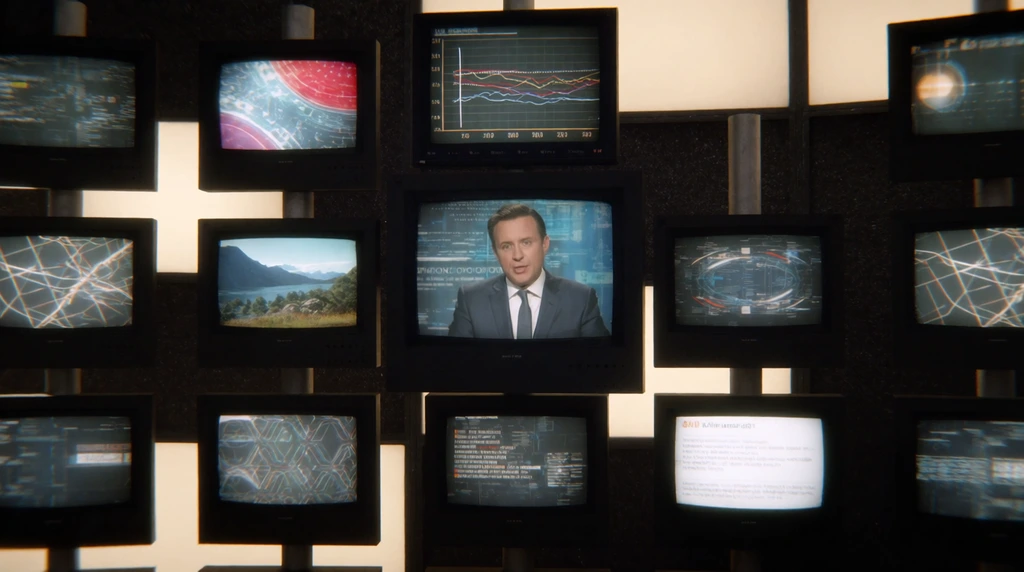
Running a quad-stream setup using Apollo Group TV Multiview isn’t just about having a fast internet package; it’s about optimizing packet delivery and minimizing jitter. When streaming four distinct 1080p channels simultaneously at 60 frames per second (fps), your device demands a continuous, unthrottled stream of data packets.
If any of these packets arrive out of order, you will experience localized micro-stuttering or “cascading buffering,” where one screen freezing triggers a performance drop across all other active windows.
1. Implement Quality of Service (QoS) Priority
To insulate your streaming environment from household network traffic (such as large file downloads or gaming), you must configure Quality of Service (QoS) rules within your router’s firmware settings:
- Access your router’s gateway IP address via a web browser (commonly
192.168.1.1or192.168.0.1). - Navigate to the Advanced / Network Optimization tab and locate QoS.
- Assign High Priority to the MAC address of your primary streaming device (e.g., Apple TV, Fire TV Stick 4K Max, or Nvidia Shield).
- This ensures your router prioritizes streaming packets over all other local network requests during peak traffic times.
2. Fine-Tuning DNS and MTU Settings
Standard internet service provider (ISP) DNS servers often introduce latency when resolving the multiple concurrent connection requests required by a multiview layout. Switching to optimized public DNS servers dramatically speeds up stream initialization and switching times.
| Configuration Metric | Recommended Value | Purpose |
| Primary DNS | 1.1.1.1 (Cloudflare) or 8.8.8.8 (Google) | Reduces domain resolution latency |
| Secondary DNS | 1.0.0.1 or 8.8.4.4 | Fallback redundancy |
| MTU (Maximum Transmission Unit) | 1500 | Optimizes packet size to prevent fragmentation |
Step-by-Step Layout Customization in TiviMate & Startup Show
While the default grid setup splits your screen into four equal quadrants, premium media players allow you to tailor the viewing architecture depending on the type of media you are tracking.
The “Master Screen” Architecture (Best for Live Sports)
When watching a major event alongside secondary games, use the Asymmetric / Master Layout. This places one primary channel in a large window on the left (taking up 70% of the screen area) while stacking 2 or 3 smaller preview windows vertically along the right side.
┌───────────────────────────┬───────────┐
│                           │  Screen 2 │
│                           ├───────────┤
│                           │  Screen 3 │
│      Primary Master       ├───────────┤
│        (Screen 1)         │  Screen 4 │
│                           ├───────────┤
│                           │  Screen 5 │
└───────────────────────────┴───────────┘
How to Configure Multiview Instantly:
- Launch your player (e.g., TiviMate Premium) and open your primary live channel.
- Long-press the Select/Center button on your remote to bring up the overlay menu.
- Scroll down and select Multiview, then click Add screen.
- Navigate through your Apollo Group TV Electronic Program Guide (EPG) to choose the secondary channels for the remaining slots.
- To swap audio tracks instantly without changing layouts, simply use your remote’s directional pad to move the selector box over the desired screen. The audio engine will dynamically unmute the highlighted window while muting the background tracks.
Advanced Hardware Tuning & Resource Management
If you experience application crashes when scaling up to 3 or 4 screens, your streaming device’s hardware is likely running out of assignable RAM or hitting thermal throttling limits. Use these settings to maximize efficiency:
- Enforce Hardware Decoding: Inside your application’s video playback settings, ensure that Video Decoder is strictly set to Hardware (HW) rather than Software (SW). Hardware decoding leverages your device’s dedicated GPU chipset to process the H.264/H.265 video streams, keeping your CPU cool and preventing system-wide lockups.
- Limit Background Process Limits: On Android-based devices (Fire TV, Nvidia Shield), unlock Developer Options by clicking your OS Build version 7 times. Go to Developer Options, find Background process limit, and change it from standard to Maximum 2 processes. This prevents background applications from eating into the RAM allocation needed by your multiview player.
- Clear System Cache Regularly: Over hours of continuous multi-stream tracking, video cache files accumulate rapidly. Make it a habit to go to your device’s Settings > Applications > [Your Player Application] and select Clear Cache to free up volatile memory pipelines.