
Meta Description: Stay updated on Apollo Group TV outages in the U.S. Learn causes, troubleshooting steps, solutions, and real-time updates to restore your TV service quickly.
Table of Contents
Table of Contents
- What is an Apollo Group TV Outage?
- Common Causes of Apollo Group TV Outages
- How to Check if Apollo Group TV is Experiencing an Outage
- Troubleshooting Apollo Group TV Outage at Home
- How Long Does an Apollo Group TV Outage Typically Last?
- Reporting an Apollo Group TV Outage
- Apollo Group TV Outage Updates and Notifications
- Preventing Future Apollo Group TV Outages
- Frequently Asked Questions About Apollo Group TV Outage
- Conclusion: Staying Informed During Apollo Group TV Outages
What is an Apollo Group TV Outage?
An Apollo Group TV outage occurs when subscribers are unable to access television services due to technical, maintenance, or network issues. These outages can affect channels, on-demand content, or streaming functionality, depending on the source of the problem. Understanding the nature of the outage is the first step in resolving it quickly.
Apollo Group TV offers a range of services including cable, satellite, and streaming platforms. An outage can disrupt viewing experiences for millions of users across the United States. These interruptions can range from minor, temporary issues to prolonged disruptions that impact multiple states.
Some outages are planned, such as maintenance or software updates, while others are unexpected, caused by equipment failure or network issues. Being informed about the potential causes helps users troubleshoot and manage downtime effectively.
Common Causes of Apollo Group TV Outages
Understanding the reasons behind an Apollo Group TV outage helps subscribers troubleshoot effectively. Outages can originate from technical failures, network problems, or external factors beyond control. Here are the most common causes:
Technical Issues with Broadcasting Equipment
Apollo Group TV relies on a complex network of satellites, servers, and signal transmitters. Malfunctions in these systems can result in localized or widespread outages. For example, server failures can prevent access to streaming content, while satellite signal issues may block live TV channels.
Internet and Connectivity Problems
For streaming and on-demand services, internet connectivity is crucial. Slow or unstable internet can mimic a full outage, making it difficult to access Apollo Group TV content. Users should ensure their internet speed meets the minimum requirements for their subscribed service.
Scheduled Maintenance and Updates
Apollo Group TV occasionally performs system maintenance to improve performance or update software. These planned outages are usually announced in advance on the company’s official channels. Missing these notifications can lead users to mistakenly assume their service is down unexpectedly.
Extreme Weather and Natural Disasters
Natural events such as hurricanes, storms, and floods can disrupt satellite signals or damage network infrastructure. These types of outages are often temporary but can last several hours or even days in affected regions. Subscribers in high-risk areas should monitor weather updates and Apollo Group TV notifications closely.
Table 1: Common Causes of Apollo Group TV Outages
| Cause | Description | Duration |
|---|---|---|
| Technical Equipment Failure | Issues with servers, satellites, or broadcast towers | Minutes to hours |
| Internet/Connectivity Problems | Slow or unstable internet affecting streaming | Minutes to hours |
| Scheduled Maintenance | Planned updates or improvements | Typically 1-4 hours |
| Extreme Weather | Storms, hurricanes, floods impacting infrastructure | Hours to days |
How to Check if Apollo Group TV is Experiencing an Outage
Before assuming your setup is the issue, it’s important to confirm whether an Apollo Group TV outage is affecting your area.
Official Apollo Group TV Outage Page
Apollo Group TV maintains a dedicated page where subscribers can check for known outages. This page provides updates, estimated resolution times, and affected areas.
Using Social Media Updates
Social media platforms such as Twitter and Facebook are commonly used by Apollo Group TV to share real-time outage information. Following official accounts can give faster insights than waiting for email notifications.
Third-Party Outage Tracking Websites
Websites like Downdetector or Outage.Report allow users to check reported issues in their region. These platforms display live maps, user comments, and historical trends of service disruptions.
Checking Your Local Network Connection
Sometimes, connectivity issues originate from your home network. Ensure your modem, router, and Wi-Fi connections are functioning properly. Testing other streaming services or websites can help determine if the issue is isolated to Apollo Group TV.
Troubleshooting Apollo Group TV Outage at Home
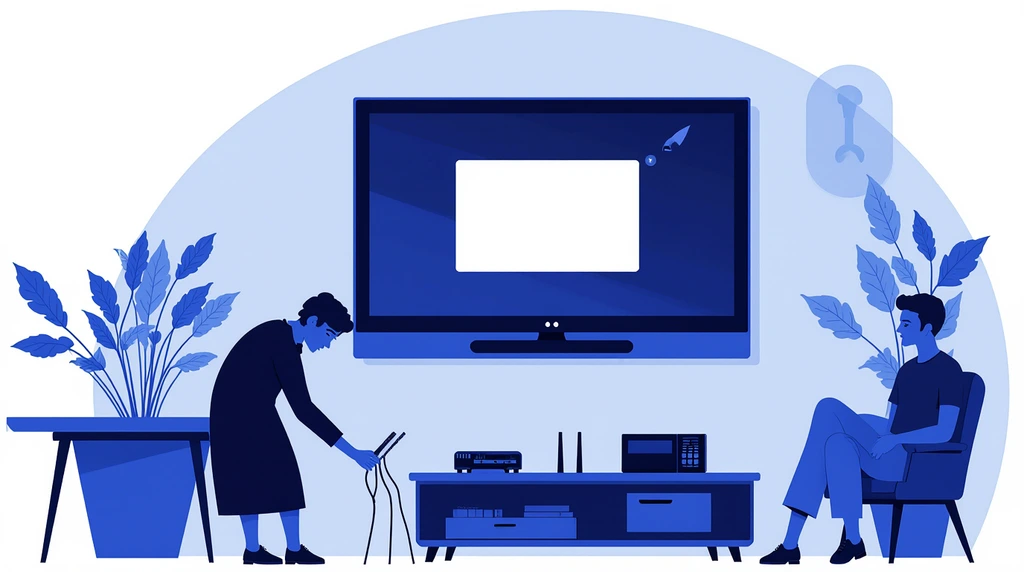
Even during an Apollo Group TV outage, there are steps users can take to minimize disruptions. Simple troubleshooting can restore service in many cases.
Restarting Your Set-Top Box or TV
Power cycling your set-top box or smart TV can resolve minor software glitches. Turn off the device, unplug it for 30 seconds, then restart it. Many temporary outages are resolved this way.
Resetting Your Internet Router and Connections
If you’re using streaming services, a slow or unstable internet connection can mimic an outage. Restarting your router, checking cable connections, or switching to a wired connection often improves service.
Checking Cable Connections and Signal Strength
Loose cables, damaged HDMI cords, or weak signal strength can prevent your Apollo Group TV from functioning properly. Verify all connections and ensure the signal is strong enough to support your subscribed channels.
Contacting Apollo Group TV Customer Support
If troubleshooting doesn’t resolve the issue, contact Apollo Group TV support. Representatives can check for network outages, provide updates, and guide users through advanced troubleshooting steps.
Case Study:
A subscriber in Texas reported an Apollo Group TV outage affecting multiple channels. After power cycling the set-top box and checking connections, service was restored within 15 minutes. This demonstrates that minor technical issues often mimic broader outages.
How Long Does an Apollo Group TV Outage Typically Last?
The duration of an Apollo Group TV outage varies depending on the cause. Minor disruptions, like software glitches, can be resolved within minutes.
Minor vs. Major Outages:
- Minor outages: Often caused by local equipment failures or connectivity issues; typically last 10–60 minutes.
- Major outages: Affect multiple regions or are caused by severe weather or satellite issues; can last several hours to days.
Historical Outage Durations
- In 2022, a major Apollo Group TV outage in Florida lasted approximately 6 hours due to network maintenance.
- Small-scale outages due to internet issues are usually resolved in under an hour.
Tips for Coping During Extended Outages
- Have alternative entertainment options like streaming apps or DVDs.
- Follow Apollo Group TV’s social media channels for real-time updates.
- Keep customer support contact information readily available.
Reporting an Apollo Group TV Outage
Reporting an outage helps Apollo Group TV resolve issues faster and provides valuable data for future prevention.
Official Website Reporting
Visit the Apollo Group TV support page and submit a detailed report, including your location, service type, and issue description.
Contacting Support via Phone or Chat
Directly contacting customer service through phone or live chat ensures your problem is documented and prioritized.
Submitting Feedback Through Mobile Apps
Apollo Group TV mobile apps often have built-in reporting tools for subscribers to submit outage reports quickly.
Apollo Group TV Outage Updates and Notifications
Staying informed during an Apollo Group TV outage can reduce frustration and confusion.
Receiving Real-Time Outage Alerts
Sign up for push notifications or email alerts to receive immediate updates when an outage occurs.
Subscribing to Email or SMS Notifications
Subscribers can choose to receive updates about service interruptions via SMS or email, ensuring timely information.
Social Media Channels for Updates
Apollo Group TV frequently updates outages on platforms like Twitter, Facebook, and Instagram. Following official accounts guarantees reliable and prompt updates.
Preventing Future Apollo Group TV Outages
While some outages are unavoidable, subscribers can take steps to minimize disruptions.
Regular Maintenance Tips for Subscribers
- Keep set-top boxes and routers dust-free.
- Regularly check for software updates.
- Power cycle devices occasionally to maintain optimal performance.
Updating Hardware and Software
Using outdated hardware or software increases the likelihood of service issues. Ensure your equipment meets Apollo Group TV’s recommended specifications.
Backup Options for Uninterrupted TV Service
Consider secondary options like mobile streaming, internet-based TV services, or satellite backup systems during critical outages.
Frequently Asked Questions About Apollo Group TV Outage
Why is my Apollo Group TV not working when others are fine?
This may indicate a local connectivity issue or device-specific problem. Troubleshooting at home often resolves these isolated outages.
Can outages affect billing or subscriptions?
Apollo Group TV typically does not charge for downtime caused by outages. Some long-term outages may qualify for service credits.
Are outages covered under service guarantees?
Yes, Apollo Group TV’s terms of service include service reliability guarantees. Extended outages may entitle subscribers to compensation.
How often do Apollo Group TV outages occur?
Outages are relatively rare but can occur due to technical failures, weather, or maintenance. Monitoring official updates helps anticipate potential disruptions.
Conclusion: Staying Informed During Apollo Group TV Outages
Experiencing an Apollo Group TV outage can be frustrating, but understanding the causes, troubleshooting steps, and reporting channels can make the process easier. Subscribers in the United States are encouraged to use official outage pages, social media, and customer support for accurate information.
By following preventive measures, staying informed, and reporting issues promptly, you can minimize disruptions and enjoy uninterrupted television service.
Quote:
“Knowledge is power. Being aware of an outage and how to respond saves time, stress, and ensures you stay connected.” – Apollo Group TV Support Team
One Response