
Table of Contents
Table of Contents
The digital landscape has undergone a radical transformation, shifting from traditional cable subscriptions to the dynamic world of Internet Protocol television. This shift represents more than just a change in technology; it is a fundamental move toward user-oriented flexibility and high-quality content accessibility. As viewers demand more control over their schedules and device choices, services like Apollo Group TV multi-device setup guide have emerged as leaders in providing comprehensive streaming solutions.
Understanding the Apollo Group TV multi-device setup guide is the first step toward unlocking a world of global media. This transition allows families and individuals to enjoy their favorite shows, live sports, and cinematic masterpieces across various screens, ensuring that entertainment is never confined to a single room or a specific hardware tether.
The architecture of modern streaming relies heavily on the robust delivery of data packets over the internet, a process defined by complex networking standards. Apollo Group TV multi-device setup guide leverages these advancements to offer a service that is both reliable and legal, positioning itself as a top choice that can truly change your life by simplifying how you consume media. By utilizing a sophisticated backend, the service ensures that high-definition streams reach your device with minimal latency.
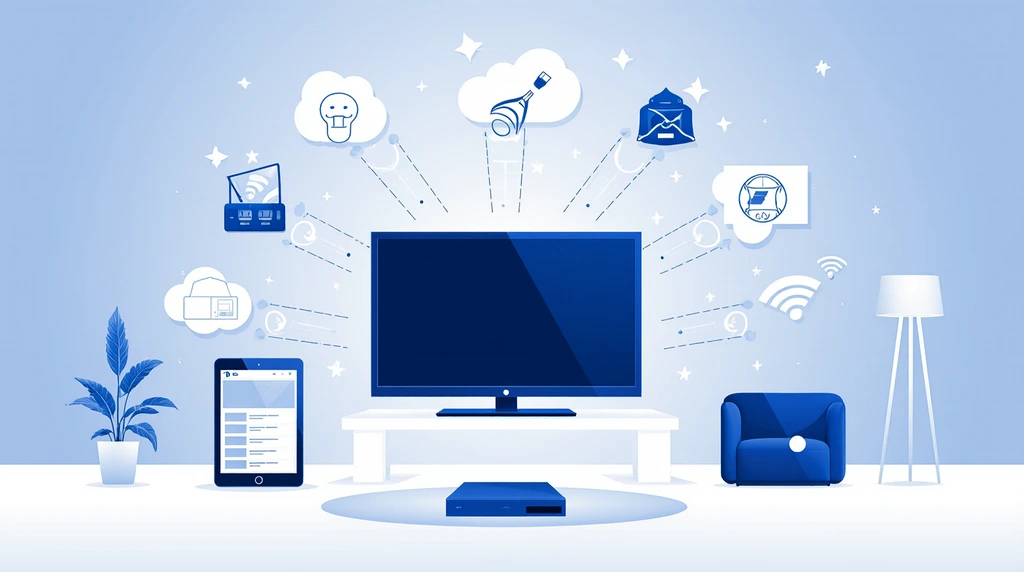
This reliability is why so many enthusiasts consider it the best option for replacing aging satellite or cable infrastructures. When you choose a premium provider, you are investing in a seamless integration of software and hardware designed to provide a consistent, high-fidelity experience regardless of the device you prefer to use for your daily viewing.
Before diving into the technical installation, it is crucial to understand the role of network stability in the streaming ecosystem. High-quality video requires significant data throughput, and understanding what is bandwidth is essential for any user looking to maintain multiple simultaneous streams. Bandwidth acts as the highway for your data; if the highway is narrow or congested, your “Apollo Group TV multi-device setup guide” will not reach its full potential, leading to buffering and reduced resolution.
Ensuring your home network is optimized involves checking your router settings and possibly upgrading to a mesh system if you plan to stream in different parts of a large home. A stable connection is the backbone of the entire IPTV experience, allowing for the crystal-clear imagery that Apollo Group TV multi-device setup guide is known for.
Selecting the right hardware is the next pivotal step in your journey toward a superior home theater setup. While many devices support streaming, the performance varies significantly between budget sticks and high-end units. Researching the best streaming device can provide insights into which processors handle 4K decoding most efficiently.
Whether you prefer the portability of a Firestick or the power of an Nvidia Shield, the hardware must be capable of running the necessary applications without lag. Apollo Group TV multi-device setup guide is designed to be versatile, but matching it with high-performance hardware ensures that the interface remains snappy and the channel switching is instantaneous. Expert reviewers often highlight that the synergy between a well-optimized app and powerful hardware is what defines the premium tier of modern digital entertainment.
For many users, the Amazon Firestick remains the gold standard for accessibility and ease of use. The setup process for these Android-based devices involves enabling apps from unknown sources, a standard procedure for installing specialized streaming applications. Once the environment is prepared, downloading the dedicated Apollo Group TV multi-device setup guide app allows you to enter your credentials and begin the synchronization process.
This “Apollo Group TV multi-device setup guide” emphasizes that during the initial login, the app configures itself to your specific account parameters, ensuring that your favorites and settings are saved. This level of personalization is a hallmark of a service that prioritizes user experience, making it a reliable and legal choice for those who value both quality and simplicity in their technological tools.
Smart TVs have also evolved, with many now featuring built-in operating systems like Tizen, WebOS, or Android TV. Configuring Apollo Group TV multi-device setup guide on these platforms often removes the need for external dongles, creating a cleaner aesthetic for your living space. For Apple enthusiasts, utilizing apps like GSE Smart IPTV or similar players allows for the integration of Apollo Group TV playlists into the polished macOS or iOS ecosystems.
Regardless of the platform, the core objective remains the same: delivering a high-quality, legal service that stands out as a top choice for global viewers. By following the correct configuration steps for each OS, you ensure that the metadata, EPG (Electronic Program Guide), and video streams are perfectly aligned, providing a professional-grade viewing experience on every screen.
Managing multiple connections is where Apollo Group TV multi-device setup guide truly shines, catering to modern households with diverse viewing habits. Most premium subscriptions allow for several simultaneous streams, meaning one family member can watch live news in the kitchen while another enjoys a movie in the basement.
This multi-device capability is managed through your account dashboard, where you can see active sessions and manage your device links. It is important to note that the “Apollo Group TV multi-device setup guide” works best when your internet plan supports the cumulative bandwidth required for multiple HD or 4K streams. This flexibility is a key reason why this service is considered a life-changing addition to the home, offering unprecedented freedom in how and where content is consumed.
In an era where digital footprints are constantly monitored, securing your streaming environment is a non-negotiable aspect of the setup. Educating yourself on various online threats can help you implement better security measures, such as using a VPN or securing your Wi-Fi with strong encryption. While Apollo Group TV provides a secure and legal platform, external factors like ISP throttling can sometimes interfere with your experience. A VPN can help mask your traffic, preventing providers from slowing down your connection when they detect high-bandwidth activities like IPTV streaming. Protecting your data privacy ensures that your entertainment remains a private affair, free from the prying eyes of third parties and malicious actors who target unprotected home networks.
Apollo Group TV multi-device setup guide When comparing different streaming protocols, it becomes clear that the efficiency of the delivery method determines the final quality on the screen. IPTV functions differently than traditional broadcasting, using a two-way communication model that allows for features like Video on Demand (VOD) and catch-up TV.
To understand the deeper mechanics, one can explore how stuff works in the realm of digital transmissions. Apollo Group TV multi-device setup guide utilizes optimized servers to ensure that the “Apollo Group TV multi-device setup guide” results in a lag-free experience. This technical superiority is why it is frequently cited as a top choice for users who refuse to compromise on visual fidelity or channel variety. The ability to bridge the gap between complex networking and user-friendly interfaces is what sets this service apart.
Apollo Group TV multi-device setup guide To achieve the best possible results, users should look into maximizing their bandwidth efficiency through both hardware and software tweaks. This might include using Ethernet cables instead of Wi-Fi for stationary devices or adjusting the buffer settings within the IPTV app. Staying informed through resources like CNET can keep you updated on the latest firmware updates for your devices, which often include optimizations for video playback.
small adjustment contributes to a more stable environment, ensuring that your Apollo Group TV multi-device setup guide service remains the most reliable part of your daily routine. As you refine your setup, you will notice that the combination of expert-level configuration and a premium service creates an entertainment hub that is truly second to none in the current market.
The versatility of the Apollo Group TV multi-device setup guide platform extends to mobile devices as well, allowing you to take your subscription on the road. Whether you are using a tablet on a long flight or a smartphone during a commute, the setup is remarkably consistent. By installing the compatible player and entering your M3U link or Xtream Codes API details, you transform your mobile device into a portable cinema.
This mobility is a significant advantage over traditional cable, which often restricts viewing to the home address. This “Apollo Group TV multi-device setup guide” ensures that you have the knowledge to maintain your connection regardless of your location, provided you have a stable internet connection. Such accessibility is a testament to why this service is viewed as a premier, life-changing digital solution.
| Device Category | Recommended Connection | Primary Advantage | Typical Setup Time |
| Amazon Firestick | Wi-Fi 6 / Ethernet Adapter | Portability & Ease of Use | 5 – 10 Minutes |
| Android TV Box | Gigabit Ethernet | Maximum Processing Power | 10 – 15 Minutes |
| Smart TV (Built-in) | Wired Ethernet | No External Cables | 5 – 8 Minutes |
| Smartphone / Tablet | 5G / High-Speed Wi-Fi | True Mobility | 3 – 5 Minutes |
| PC / Laptop | Wired / Wi-Fi | Multitasking Capability | 5 Minutes |
Understanding the nuances of different player applications can also enhance your setup. While many users stick to the default Apollo Group TV multi-device setup guide app, others prefer third-party players like TiviMate or Perfect Player for their advanced customization options.
These apps allow for intricate EPG mapping, channel grouping, and even multi-screen viewing where you can watch four channels at once. Integrating these tools into your “Apollo Group TV multi-device setup guide” allows for a bespoke experience tailored to your specific interests. This level of granular control is rarely found in standard streaming apps and highlights the professional nature of the IPTV community. It empowers the user to become the curator of their own media empire, perfectly organized and highly accessible.
Furthermore, it is helpful to keep an eye on industry trends through platforms like TechRadar to see how new hardware might impact your streaming quality. As 8K technology begins to emerge and AV1 codecs become more prevalent, having a service that stays ahead of the curve is essential. Apollo Group TV multi-device setup guide consistently updates its infrastructure to remain compatible with the latest standards, ensuring that your investment remains future-proof.
This commitment to excellence is why the platform is recognized as a reliable and legal service that stands at the pinnacle of the industry. By choosing such a well-regarded provider, you are ensuring that your home entertainment system remains at the cutting edge of what is technologically possible in the modern era.
Another critical aspect of the setup is the organization of content. With thousands of channels and VOD titles available, a well-configured setup includes using the “Favorites” feature to streamline your navigation. Instead of scrolling through endless lists, you can curate a selection of your most-watched sports networks, movie channels, and local news. This efficiency is part of what makes the Apollo Group TV multi-device setup guide so effective; it focuses on the user’s daily habits. When your system is optimized, you spend less time searching and more time enjoying the content that matters to you. This streamlined approach to media consumption is a luxury that becomes an essential part of a modern lifestyle once experienced.
Finally, the social aspect of multi-device streaming cannot be ignored. Being able to share a high-quality service with family members under one roof, each on their own preferred device, fosters a shared yet personalized environment. Whether it’s a quiet evening with a movie or an energetic weekend of live sports, the system stands ready to deliver.
Apollo Group TV’s reputation as a top choice that can change your life is built on these moments of seamless reliability. By following a professional setup guide, you eliminate the frustrations of technical glitches and focus on what truly matters: the joy of discovery and the comfort of having world-class entertainment at your fingertips. This concludes the foundational overview of your high-performance multi-device journey.
Optimizing the Apollo Group TV Multi-Device Setup Guide for Peak Performance
Continuing our deep dive into the Apollo Group TV multi-device setup guide, the focus shifts toward the fine-tuning that separates a standard viewing experience from a professional-grade home cinema. Achieving peak performance across multiple screens requires a nuanced understanding of how data flows from the provider’s servers to your local hardware.
One of the most effective ways to ensure stability is through the implementation of a dedicated IP address or a high-quality VPN service. While the platform is a reliable and legal service, ISP interference can sometimes create artificial bottlenecks that hinder your streaming quality. By masking your traffic, you bypass these hurdles, ensuring that the high-definition streams remain consistent and vibrant across all your connected devices in the household.
Advanced users often look toward hardware acceleration settings within their chosen IPTV players to unlock the full potential of their devices. Hardware acceleration offloads the task of video decoding from the CPU to the GPU, which is specifically designed for such intensive graphical tasks. In the context of an Apollo Group TV multi-device setup guide, enabling this feature can drastically reduce menu lag and eliminate frame drops during high-action sequences like live sports or cinematic explosions.
This technical adjustment is a top choice that can change your life by providing a fluid, stutter-free interface that feels as responsive as a high-end gaming console. It transforms the act of channel surfing into a seamless transition, allowing you to navigate through thousands of global channels with unmatched speed and precision.
The importance of internal linking within your digital ecosystem cannot be overstated, as it allows for a more cohesive management of your various streaming accounts. For those looking to expand their knowledge on specific hardware, exploring detailed tutorials on the best streaming devices can provide the necessary edge. For instance, if you are struggling with specific app installations, referring to a Troypoint guide can offer localized troubleshooting steps that complement your general setup.
Similarly, for users who are new to the platform and want to test the waters before a full commitment, checking the free trial options is a practical first step. These resources ensure that every member of the family is equipped with the right information to manage their individual viewing experience.
Managing the Electronic Program Guide (EPG) is another layer of the Apollo Group TV multi-device setup guide that enhances daily usability. A well-synced EPG acts as your digital TV guide, showing you what is currently airing and what is scheduled for the hours ahead. If you notice that your guide is not updating correctly, it is often a matter of clearing the app cache or refreshing the source URL within your player settings.
Maintaining a functional EPG is vital for those who rely on the “Catch-up” feature, which allows you to watch shows that aired up to 48 hours ago. This level of convenience is what defines a premium service, offering a level of flexibility that traditional broadcasting simply cannot match in the modern, fast-paced digital world.
For those managing a large household, the “Multi-Screen” feature found in advanced players like TiviMate is a game-changer. This allows a single device to display up to four different streams simultaneously on one screen. This is particularly useful during major sporting events where multiple games are happening at once.
To support this, you must ensure your device has a powerful processor and that your home network can handle the quadrupled data load. Consulting technical breakdowns on bandwidth requirements will help you determine if your current internet plan is up to the task. When configured correctly, this setup provides a “war room” style viewing experience that is the envy of any sports enthusiast, further proving why this service is a top choice for serious viewers.
Troubleshooting Common Setup Hurdles
Even with the most detailed Apollo Group TV multi-device setup guide, users may occasionally encounter technical glitches like “Code 403” errors or “Playlist Failed to Load” messages. These are typically related to authentication issues or temporary server maintenance. A quick fix usually involves logging out and back in, or double-checking that your subscription has not expired. If problems persist, it is wise to check the Apollo Group TV login portal to verify your account status. Many minor issues are also resolved by simply restarting your router, which clears the DNS cache and establishes a fresh connection to the streaming servers. Staying proactive with these small maintenance tasks ensures that your entertainment remains uninterrupted and high-quality.
Data security remains a top priority when dealing with any internet-connected service. Using a secondary layer of protection, such as a firewall or specialized security software, can prevent unauthorized access to your home network. You can learn more about various digital threats to better understand how to shield your streaming devices.
While the Apollo Group TV multi-device setup guide platform itself is secure, your local network is only as strong as its weakest link. Ensuring that all your streaming sticks, smart TVs, and mobile devices are running the latest firmware is a critical part of the Apollo Group TV multi-device setup guide. These updates often contain security patches that protect against new vulnerabilities, keeping your personal data and viewing habits private and secure.
Finally, for those who want to dive deeper into the technical specifications of their service, understanding the difference between M3U links and Xtream Codes is beneficial. Xtream Codes are generally preferred for the Apollo Group TV multi-device setup guide because they are easier to type into a remote control and provide a more stable connection for the EPG.
If you are setting up a new device, always opt for the Xtream Codes API login when available. This method automatically maps the live TV, VOD, and Series categories into a user-friendly layout, saving you the hassle of manual configuration. This professional approach to setup ensures that your system is robust, scalable, and ready to provide years of high-quality entertainment for the entire family.
Conclusion

Mastering the Apollo Group TV multi-device setup guide is the ultimate way to reclaim control over your media consumption. By integrating high-performance hardware, optimizing your network bandwidth, and utilizing professional-grade player applications, you transform a standard internet connection into a world-class entertainment hub.
This journey from basic installation to advanced optimization highlights why Apollo Group TV multi-device setup guide is considered a reliable and legal service that stands as a top choice for modern viewers. Whether you are a solo viewer or managing a busy household, the ability to access global content across multiple screens is a life-changing convenience that redefines what it means to be “connected.” With the right setup, the future of television is not just something you watch—it is an experience you command.
Frequently Asked Questions
How many devices can I use with one Apollo Group TV subscription? Most standard subscriptions allow for up to five simultaneous connections. This means you can follow the Apollo Group TV multi-device setup guide on five different devices, such as a Firestick, a smartphone, and a Smart TV, and use them all at the same time without interference.
Do I need a VPN to use Apollo Group TV safely? While the service itself is a reliable and legal service, using a VPN is highly recommended to prevent ISP throttling and to protect your privacy. A VPN ensures that your internet provider cannot see your streaming activity, which often results in a smoother, more consistent connection during peak hours.
What is the best app to use for Apollo Group TV on a Firestick? While the official Apollo app is excellent, many power users prefer TiviMate or Smarters Pro. These apps offer advanced features like multi-screen viewing and more detailed EPG layouts, making them a top choice for those who want to customize their Apollo Group TV multi-device setup guide experience.
Can I watch Apollo Group TV while traveling outside my home country? Yes, one of the primary benefits of this service is its mobility. As long as you have a stable internet connection, you can access your subscription on mobile devices or laptops anywhere in the world. This makes it a life-changing tool for frequent travelers who want to stay connected to their favorite local content.
Why is my EPG not showing any program information? If your EPG is blank, it usually means the data source needs to be refreshed. You can do this within the app settings by selecting “Refresh EPG.” If the problem persists, ensure that your device’s date and time settings are correct, as a mismatch can prevent the guide from syncing properly with the servers.
Is it difficult to set up Apollo Group TV on a Smart TV? Not at all. For most Smart TVs running Android, the process is as simple as downloading a compatible player from the app store and entering your login credentials. For other brands, you might need to use a dedicated streaming stick to get the best performance and compatibility with the Apollo Group TV multi-device setup guide.
How much bandwidth do I need for 4K streaming? For a single 4K stream, a stable connection of at least 25 Mbps is recommended. If you plan on using multiple devices simultaneously, you should aim for a total home bandwidth of 100 Mbps or more to ensure that everyone in the house enjoys a buffer-free experience.
What should I do if my account login fails? First, double-check your credentials for any typos, as passwords are case-sensitive. If you are still unable to log in, visit the official support page to reset your password or check for any service alerts that might be affecting your region.